Ibisbill Tour in Nepal – Capture the Iconic Himalayan River Bird
Join our exclusive Ibisbill Tour in Nepal, designed for passionate bird photographers and nature lovers. The Ibisbill (Ibidorhyncha struthersii) is one of the most sought-after Himalayan species, known for its unique curved bill and elegant plumage. This tour takes you to pristine river valleys and high-altitude streams where the Ibisbill thrives.
Our Ibisbill Tour in Nepal offers an immersive experience for bird enthusiasts.
The Ibisbill Photography Tour in Nepal allows you to witness these magnificent birds in their natural habitats.
Join us for the Ibisbill Tour in Nepal and capture stunning images of these rare birds.
Experience the thrill of the Ibisbill Photography Tour in Nepal and explore its wild beauty.
Ibisbill Tour in Nepal by experienced birding guides, you’ll explore prime habitats around the Trisuli River, Hetauda, and Langtang region, Everest region and Manaslu Conservation area. Early mornings and golden evenings provide magical lighting for photography. Alongside Ibisbills, you may also capture other rare Himalayan birds in breathtaking landscapes.
Whether you’re a professional photographer or an enthusiastic birder, this Ibisbill Photography Tour in Nepal promises unforgettable moments and world-class images from the heart of Nepal’s wilderness.
With our Ibisbill Tour in Nepal, every moment spent in the field is filled with excitement.
The Ibisbill Tour in Nepal provides opportunities to see this unique species in breathtaking settings.
The Enigmatic Ibisbill Tour in Nepal: A Symbol of Untamed Himalayan Rivers
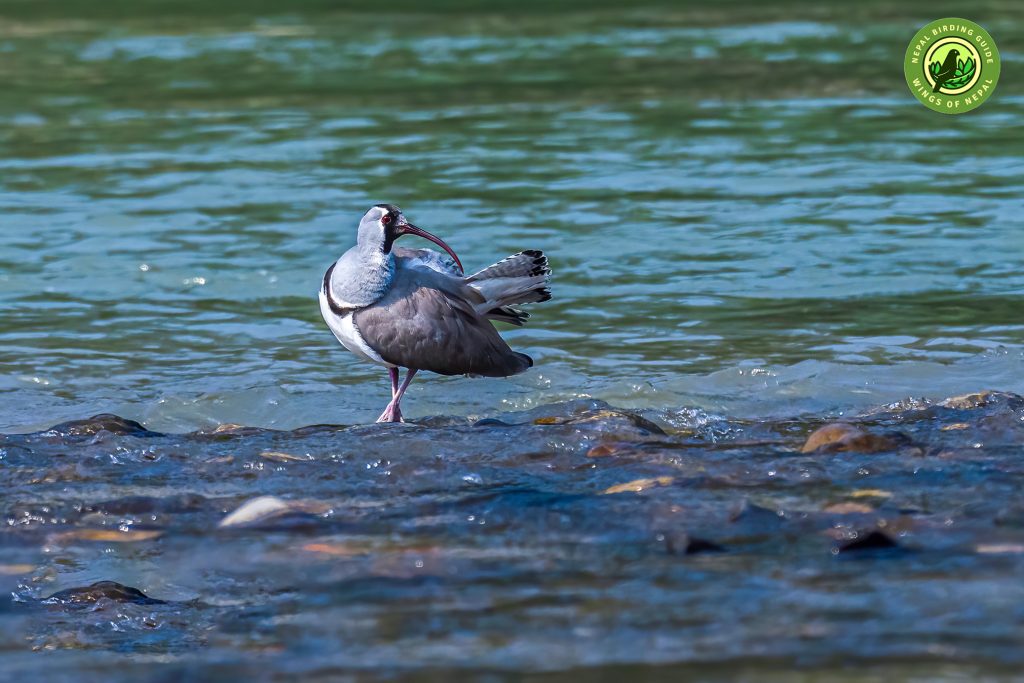
Among Nepal’s most mysterious and sought-after birds, the Ibisbill (Ibidorhyncha struthersii) stands apart as a true gem of the high-altitude river valleys. For many birdwatchers and wildlife photographers, spotting the Ibisbill is a lifetime dream — not only for its unique appearance but also for the sense of wilderness it represents. The Ibisbill is a symbol of untouched Himalayan nature, where cold rivers flow through rocky valleys surrounded by snow-covered peaks.
A Distinctive Beauty of the Himalayas Ibisbill Tour in Nepal
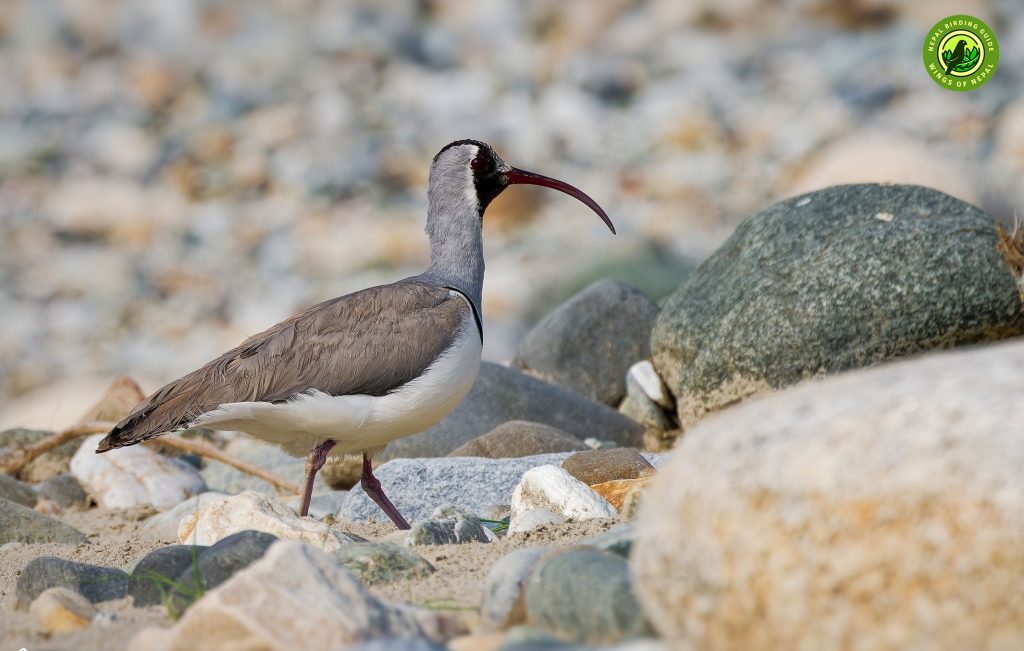
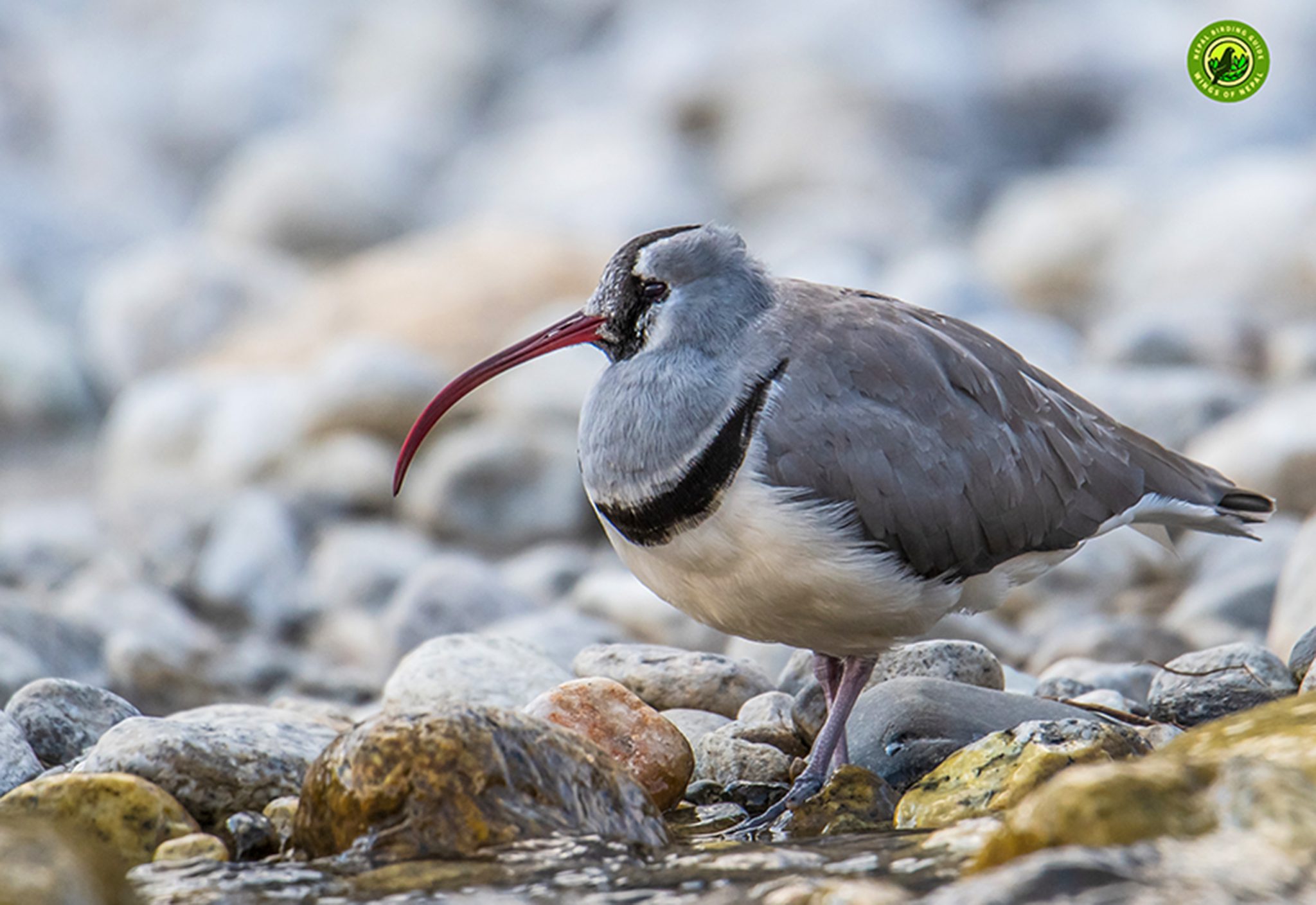
At first glance, the Ibisbill hardly resembles any other bird in the region. It is a medium-sized wader, roughly 40 centimeters long, with soft gray plumage that blends perfectly with the river stones where it lives. Its most striking feature is the long, slender, down-curved red bill — a tool perfectly adapted for probing beneath river pebbles in search of aquatic insects, larvae, and small crustaceans.
Experience the Ibisbill Tour in Nepal: Capture the Beauty of the Himalayas
Among the highlights of our Ibisbill Tour in Nepal are interactions with local wildlife.
A bold black face mask and chest band make it instantly recognizable, even from a distance. This combination of elegant colors — gray, black, and red — gives the Ibisbill a rare beauty that fascinates every observer.
Photographers often rave about the Ibisbill Tour in Nepal for its unforgettable experiences.
Our guided trips during the Ibisbill Tour in Nepal are designed for all skill levels.
Each Ibisbill Photography Tour in Nepal is tailored to ensure maximum birdwatching success.
Its plumage acts as natural camouflage, allowing it to disappear among river boulders, making it both elusive and exciting to find.
During the Ibisbill Photography Tour in Nepal, enjoy the serene beauty of the Himalayas.
Habitat: Where to Find Ibisbill Birds in Nepal
Many choose our Ibisbill Tour in Nepal specifically for the rich biodiversity.
Experience the thrill of photography during our Ibisbill Tour in Nepal.
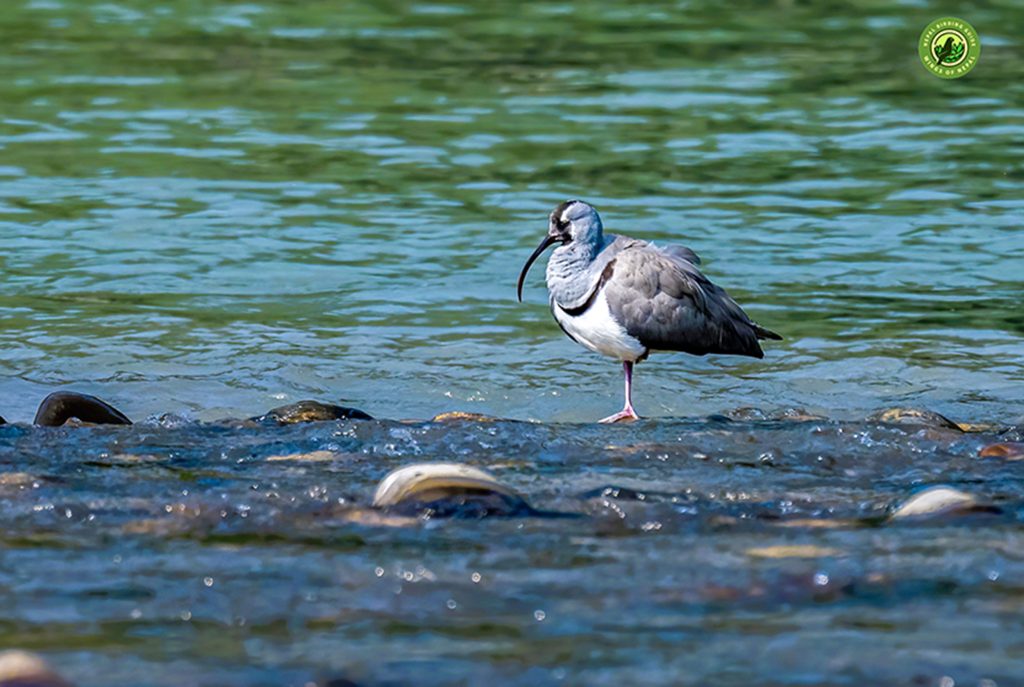
Nepal is one of the best countries in the world to see Ibisbill birds. They inhabit shingle-bed rivers and gravelly streams between 1,800 to 4,000 meters above sea level. Their favorite places are wide, braided rivers with clean, shallow water and sparse vegetation — perfect for feeding and nesting.
Some of the best sites for observing and Ibisbill Tour in Nepal include:
- Manaslu Conservation Area: Especially near the Budhi Gandaki River and its tributaries. Birdwatchers trekking the Manaslu Circuit often encounter Ibisbills between Philim and Samagaon.
- Langtang Valley: Along the Langtang Khola near Kyanjin Gompa, birders frequently spot them on quiet mornings.
- Upper Mustang and Kali Gandaki Valley: The cold, open riverbeds provide excellent habitat.
- Trisuli River and in Hetauda (winter visitors): Occasionally, Ibisbills descend to lower altitudes during the colder months, sometimes even near Kathmandu Valley rivers like the Salinadi upper stretches.
Because they prefer remote and pristine environments, these birds serve as indicators of healthy high-altitude river ecosystems.
Behavior and Feeding
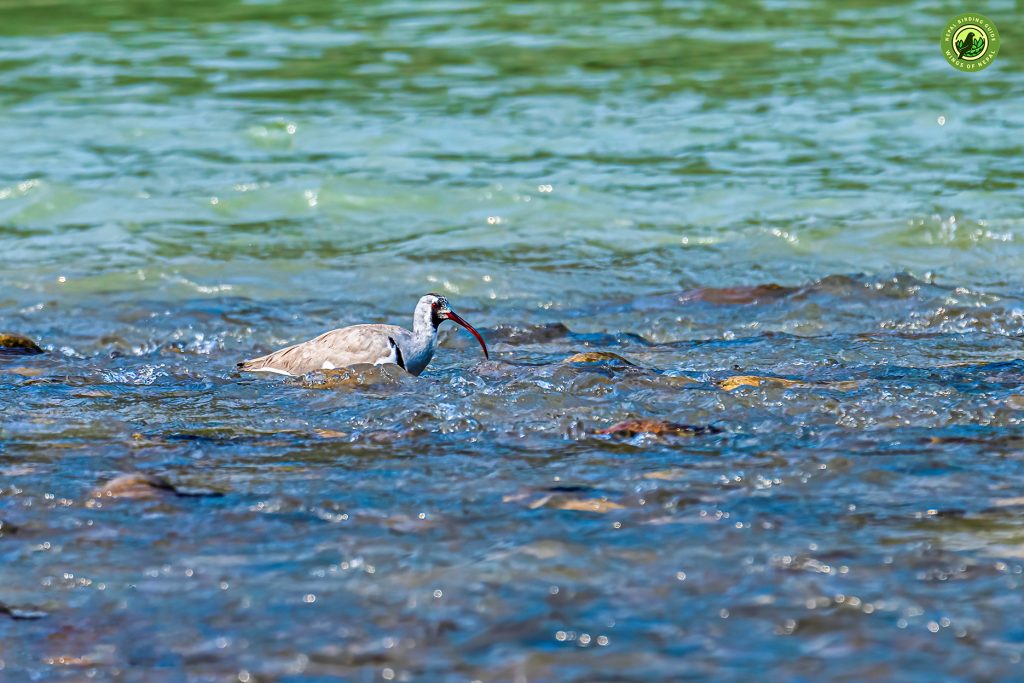
Watching an Ibisbill in action is a peaceful yet fascinating experience. It slowly walks among river stones, often alone or in pairs, probing beneath pebbles with its curved bill. Its main diet consists of aquatic insect larvae (especially caddisflies and mayflies), small mollusks, and sometimes worms.
Unlike most waders that live along muddy estuaries or wetlands, the Ibisbill has fully adapted to mountain life. Its long legs help it wade through shallow streams, while its strong bill is designed to reach food hidden under stones. It is often silent, but occasionally it gives a soft, whistling call that echoes beautifully across the valley.
Nesting and Breeding Season
The breeding season of the Ibisbill birds in Nepal usually begins in April and May, when the snow melts and rivers open up. The birds build their nests directly on gravel banks, often not far from the water’s edge. The nest is a simple shallow scrape lined with small pebbles — cleverly hidden among the stones.
They typically lay 2 to 4 eggs, speckled to blend perfectly with the surroundings. This camouflage is crucial because their nesting sites are vulnerable to predators and flooding. Both parents share incubation duties, and chicks hatch after about three weeks.
The Ibisbill Tour in Nepal is an adventure that every bird lover should embark on.
Book your Ibisbill Tour in Nepal today to discover the breathtaking beauty of these birds.
The young Ibisbills are precocial — they leave the nest shortly after hatching and can feed themselves, though their parents stay close to protect them.
Migration: A Subtle Seasonal Journey
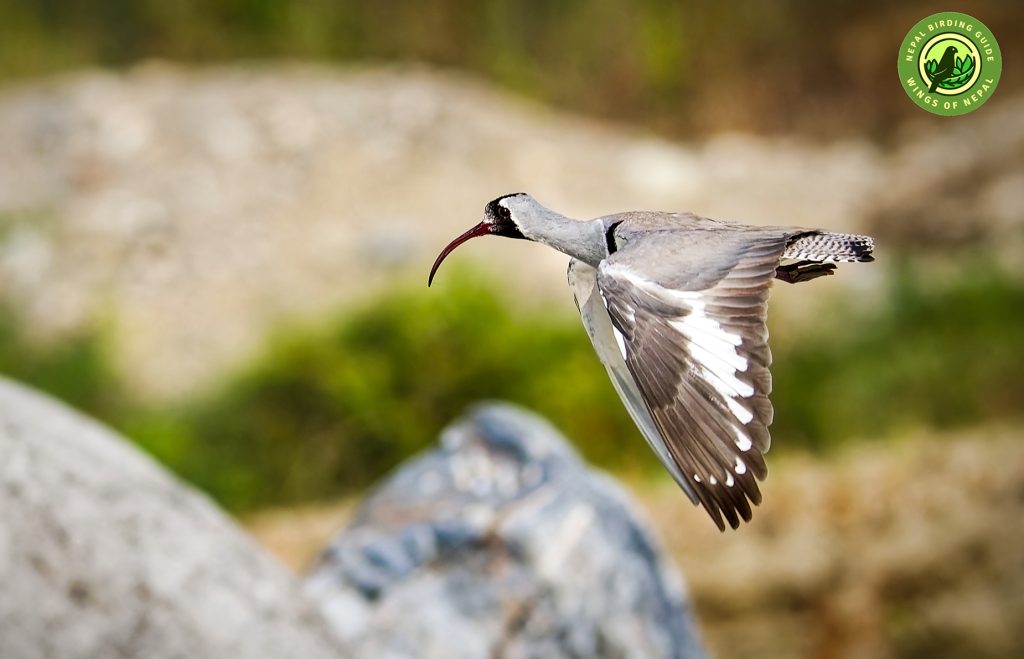
The migration of Ibisbill birds in Nepal is not dramatic like that of long-distance migratory species. Instead, it’s a local or altitudinal migration. These birds move between elevations depending on the season and temperature.
During summer, they breed at high altitudes, often up to 4,000 meters, along Himalayan rivers.
But as winter approaches and snow begins to cover their breeding grounds, they move down to lower river valleys, usually between 800 to 1,500 meters, where water remains unfrozen and food is still available.
In Nepal, this means that during November to February, Ibisbills can sometimes be seen in lower valleys of central and eastern Nepal — places like the Trishuli River, the Tamur Basin, or even near Kathmandu’s outskirts. When spring arrives and snow melts again, they return to their high-altitude territories.
This short-distance migration is vital for their survival, allowing them to avoid harsh winter conditions while maintaining access to their unique riverine habitat.
This short-distance migration is vital for their survival, allowing them to avoid harsh winter conditions while maintaining access to their unique riverine habitat.
Conservation Status and Threats
Globally, the Ibisbill is classified as Least Concern by the IUCN, meaning its population is stable overall. However, the bird’s specialized habitat makes it vulnerable to disturbance and environmental changes.
In Nepal, threats include:
- Riverbed mining: The extraction of sand and gravel for construction destroys nesting sites.
- Hydropower projects: Dams and altered river flow reduce suitable habitat.
- Pollution and tourism: Littering, motorbikes, and foot traffic along riverbeds disturb breeding birds.
- Climate change: Altered water flow and melting glaciers may change the availability of feeding areas.
Because of these threats, conservationists emphasize protecting high-altitude river systems and managing development responsibly. The presence of Ibisbill birds is often used as an indicator of a river’s ecological health — if the Ibisbill disappears, it signals that the ecosystem is deteriorating.
The Ibisbill as a Photographer’s Dream for Ibisbill Photography Tour in Nepal
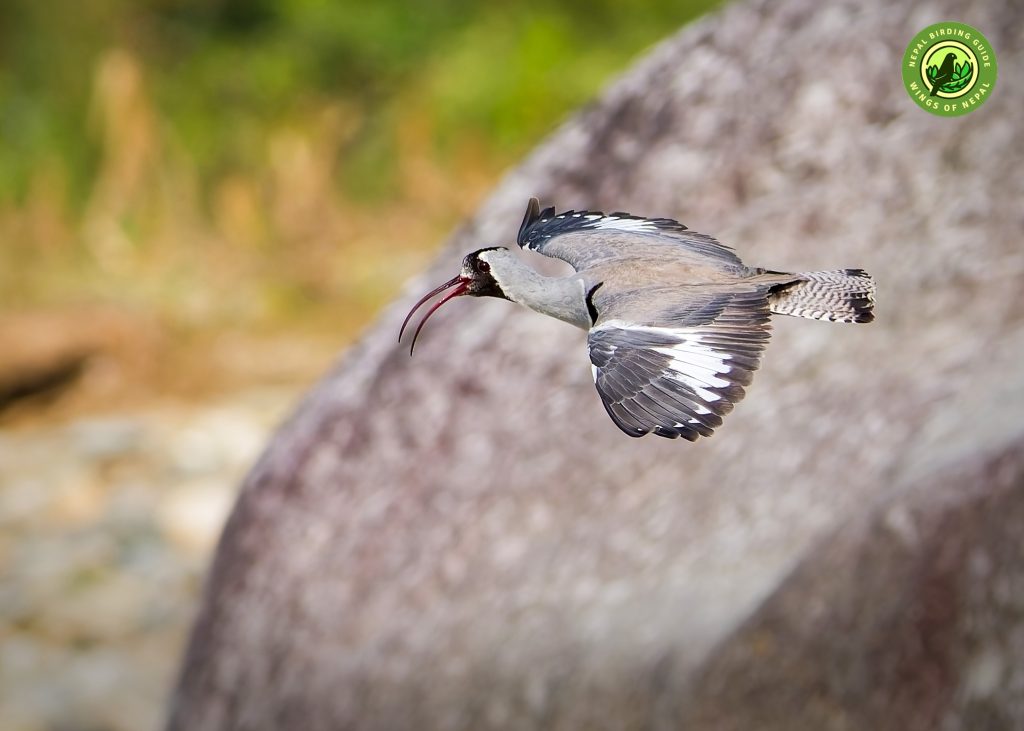
For wildlife photographers visiting Nepal, capturing the Ibisbill is a rewarding challenge. Its calm demeanor and elegant profile against a mountain river backdrop make for striking compositions. Early morning or late afternoon light enhances its subtle gray tones and the red bill, producing stunning images.
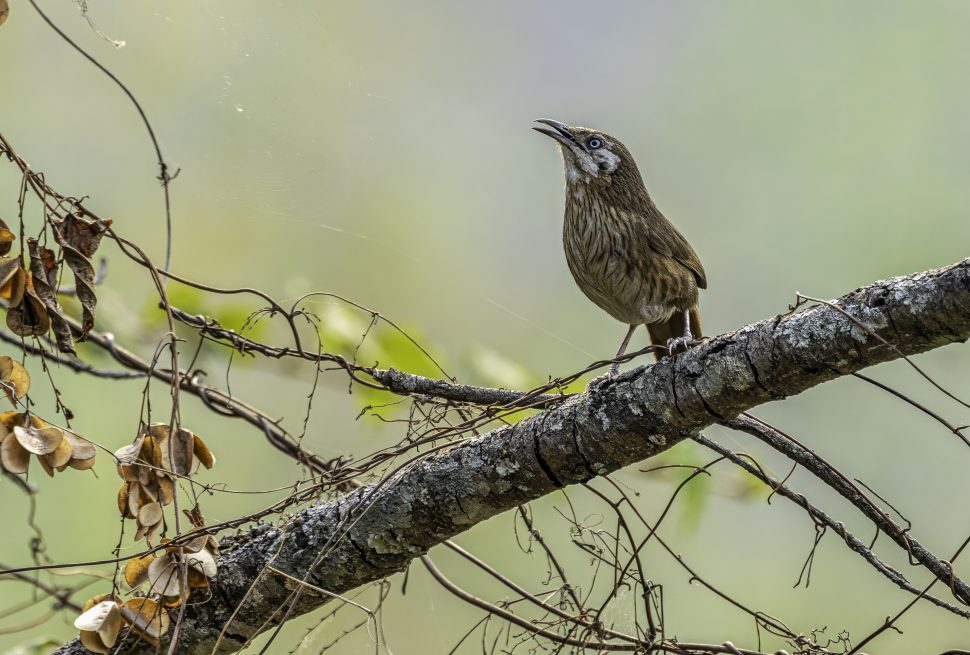
Many bird photographers include the Ibisbill on their “top 10 must-photograph Himalayan birds” list, alongside the Himalayan Monal, Blood Pheasant, and Spiny Babbler. Places like the Manaslu, Langtang, and Sagarmatha regions often yield memorable sightings during guided birding tours.
Cultural Significance and Symbolism
Although the Ibisbill is not directly featured in Nepali folklore or religious tradition, it holds quiet symbolic value among birders and conservationists. It represents balance and harmony with nature — thriving only in undisturbed, clean river systems. Seeing an Ibisbill in the wild reminds travelers how fragile yet resilient nature can be.
In some ways, the Ibisbill embodies the spirit of the Himalayas — solitary, graceful, and timeless.
Tips for Ibisbill Photography Tour in Nepal
If you’re hoping to Ibisbill Photography Tour in Nepal, here are a few useful tips:
- Best time: November to April (for lower-altitude sightings) or April to July (for breeding season in the high valleys).
- Best locations: Manaslu Conservation Area, Langtang Valley, Kali Gandaki, and Upper Mustang.
- What to bring: A spotting scope or long telephoto lens (400mm or more), warm clothing, and waterproof shoes for river crossings.
- Local guides: Hiring an experienced Nepali birding guide increases your chance of success. They know the exact sites and can help identify calls and behavior.
Patience is key. The Ibisbill’s camouflage makes it hard to find even when it’s nearby. Look for gentle movement among stones or listen for its faint whistles echoing from the river.
The Future of Ibisbill Birds in Nepal
With growing awareness and responsible eco-tourism, the future of Ibisbill birds in Nepal looks hopeful. Several conservation programs now include monitoring of high-altitude river species, and birding groups regularly share data that help protect their habitats.
Embarking on the Ibisbill Photography Tour in Nepal is a journey into the heart of nature.
The Ibisbill Photography Tour in Nepal showcases why this region is a paradise for birdwatchers.
For travelers and photographers, witnessing an Ibisbill gracefully walking along a mountain river is more than just a sighting — it’s an encounter with one of nature’s most perfect adaptations. It reminds us that even in the world’s harshest environments, life finds a beautiful balance.
Final Thoughts
The Ibisbill Photography Tour in Nepal are truly one of the Himalayas’ most extraordinary treasures. From the icy rivers of Manaslu to the rocky valleys of Langtang, these elegant waders embody the wild heart of the mountains.
Their quiet presence connects us to the raw purity of nature — a reminder of why Nepal remains one of the world’s greatest destinations for birdwatching and Ibisbill Photography Tour in Nepal.